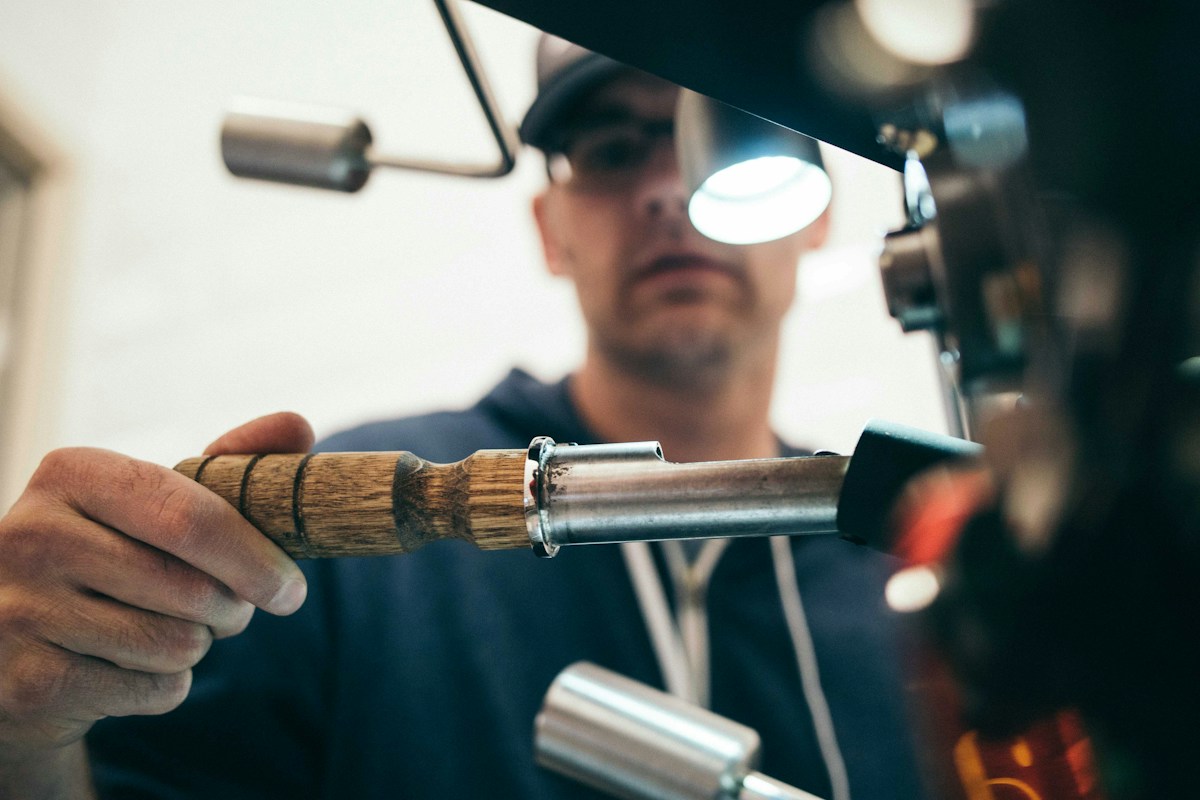
The mythology of luxury brand creation suggests that great brands emerge organically — that a passionate artisan produces something extraordinary, word spreads, and a luxury brand is born. The reality is quite different. The most successful luxury brands in the world — from Moët & Chandon to Hermès to Patrón — were built with extraordinary intentionality. They were architected, not discovered.
At The Brand Atelier, we have built brands from scratch across 18 countries over 20 years. We have generated over $200 million in revenue for the brands we have created and launched. And we have learned, through experience, that the process of building a luxury brand follows a clear framework — one that can be applied to any category, any geography, and any budget.
Phase One: Concept Validation and Market Positioning
The first question in building any luxury brand is not "what do I want to create?" but "what does the market need that does not yet exist?" Luxury is not about filling a functional need — it is about fulfilling an aspirational desire. The most successful luxury brands occupy a position in the consumer's imagination that no other brand has claimed.
Concept validation begins with rigorous market research. Who are the target consumers? What are they currently buying, and why? What are the gaps in the current market — the positions that are underserved, the stories that are untold, the quality levels that are unmet? What is the competitive landscape, and where is there genuine white space?
From this research, a clear positioning emerges: a precise articulation of what the brand is, who it is for, and why it is different. This positioning is the foundation of everything that follows. Every subsequent decision — about the product, the packaging, the pricing, the distribution, the communications — must be consistent with and reinforcing of this positioning.
Phase Two: Product Development and Sourcing
With a clear positioning in place, the next phase is product development. For a luxury brand, the product must be genuinely exceptional — not just good, but extraordinary. Luxury consumers are sophisticated and discerning, and they will not sustain a brand whose product does not deliver on its promise.
Product development for a new luxury brand typically involves identifying the right production partners — the distillery, winery, manufacturer, or artisan whose capabilities and values align with the brand's positioning. This is one of the most critical decisions in the brand-building process, and it requires deep market knowledge and established relationships.
Sourcing for a luxury brand is not simply a procurement exercise — it is a brand-building activity. The story of where the product comes from, how it is made, and who makes it is an integral part of the brand's narrative. The right production partner is not just a supplier; they are a co-author of the brand's story.
Phase Three: Brand Identity and Design
The brand identity — the name, the visual language, the packaging, the tone of voice — is the brand's face to the world. For a luxury brand, the identity must communicate quality, authenticity, and aspiration at every touchpoint. It must be distinctive enough to stand out in a crowded market, yet timeless enough to endure for decades.
The naming process is often underestimated. A luxury brand name must be memorable, pronounceable in multiple languages, legally protectable as a trademark, and available as a domain name. It must carry the right connotations — of quality, heritage, and aspiration — without being generic or descriptive.
The visual identity — the logo, the color palette, the typography, the packaging design — must be developed with the same level of care and intentionality. Luxury packaging is not just a container; it is a communication. The weight of the glass, the quality of the label paper, the precision of the embossing — every detail sends a signal to the consumer about the quality of what is inside.
Phase Four: Communications and Storytelling
A luxury brand without a compelling story is just a product. The communications strategy — the narrative that the brand tells about itself, and the channels through which it tells that story — is what transforms a product into a brand.
The brand story must be authentic, specific, and emotionally resonant. It must answer the questions that luxury consumers ask: Where does this come from? Who made it? Why does it matter? What does it stand for? The answers to these questions must be consistent across every channel — the website, the social media, the press materials, the in-store presentation, the ambassador's pitch.
Phase Five: Go-to-Market Strategy
The go-to-market strategy defines how the brand will reach its target consumers. For a luxury brand, this typically means a carefully sequenced market entry — beginning with the most prestigious, influential accounts and expanding from there. It means identifying the right distribution partners, the right retail environments, and the right media channels. It means creating the kind of launch events and activations that generate genuine excitement and word-of-mouth.
Phase Six: Fundraising and Investment
Building a luxury brand requires capital — for product development, for inventory, for marketing, for the team. The fundraising strategy must be aligned with the brand's positioning and long-term vision. The right investors for a luxury brand are not just sources of capital; they are strategic partners who understand the luxury market, share the brand's values, and can open doors to the relationships and resources that the brand needs to grow.
Phase Seven: Ambassador and Community Building
The final phase of brand building is the creation of a community of genuine advocates — the ambassadors, influencers, and loyal consumers who will carry the brand's story forward. In the luxury market, this community is built one relationship at a time, through genuine engagement, exceptional experiences, and consistent delivery on the brand's promise.
At The Brand Atelier, we have guided dozens of brands through this entire journey — from the initial concept to a fully launched, commercially successful luxury brand. Our 20 years of experience, our network of production partners, distributors, media contacts, and investors, and our proven methodology make us the ideal partner for anyone who wants to build a luxury brand that endures.